


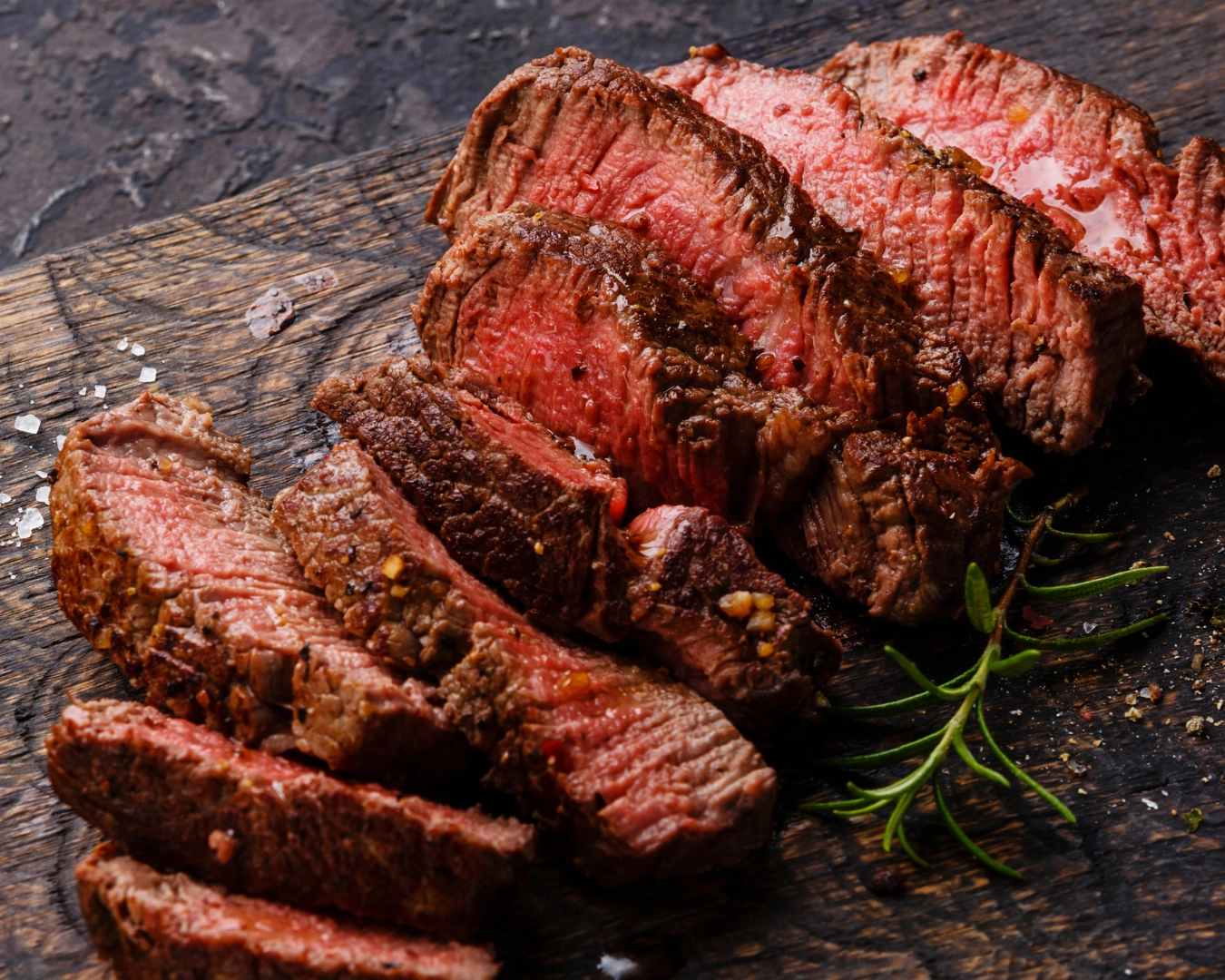

There’s something quietly satisfying about the sound of a steak meeting a hot pan. The sizzle, the faint curl of smoke, the scent of butter and garlic starting to caramelise — it’s a moment that feels both indulgent and simple. A good steak has that power: rich, tender, and deeply comforting, the kind of meal that rewards care but never demands perfection.
Introduction: The Joy of a Properly Cooked Steak
Cooking steak well isn’t about fancy tricks or endless gadgets but rather simply slowing down, trusting your senses, and choosing ingredients that already taste of quality.
With that in mind, this guide will take you through each step to help you cook steak beautifully, from preparation to plate.
What You’ll Need Before You Cook Steak
Before the pan goes on the hob, get everything ready. Steak rewards preparation, and a few quiet minutes now make all the difference later.
Choosing the Right Cut and Cooking Fat
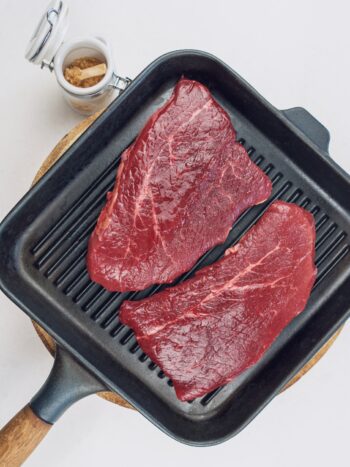
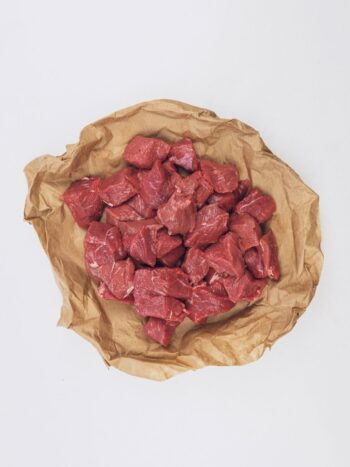
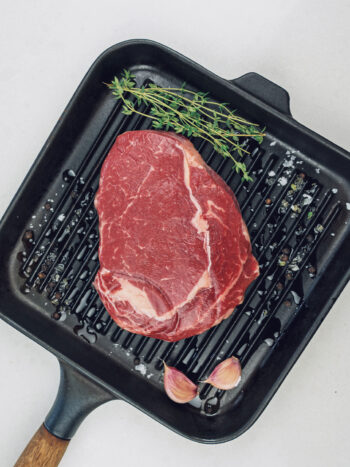
Every cut brings its own charm. A rib eye is well-marbled and tender with a buttery richness that needs little help. A T-bone offers the best of both worlds with the fillet on one side and sirloin on the other. And a flat iron steak gives plenty of flavour for excellent value. For quick cooking dishes, diced beef steak works perfectly in hearty recipes that don’t need much fuss.
Whatever you pick, focus on quality and provenance. Beef raised with care and patience produces meat that’s naturally tender and full of more flavour. Farms like Rhug Organic Farm provide excellent examples of beef cattle raised to high organic standards.
When it comes to cooking fat, think about heat and flavour. Seed oils with a high smoke point, such as rapeseed or sunflower, are good for searing because they cope well with high heat. Olive oil can work too, though it’s better for medium heat or finishing touches. For those who prefer richness, clarified butter or ghee delivers depth without burning. Traditionalists may reach for beef dripping for that old-fashioned, savoury note.
Equipment and Heat: Why a Cast Iron Pan Works Best
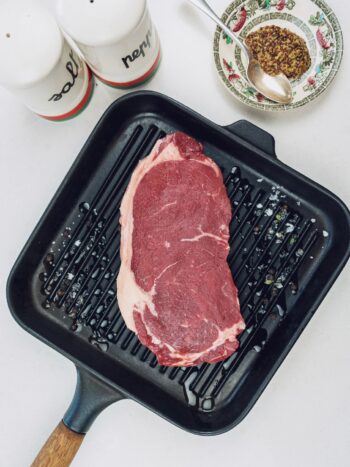
A heavy-based frying pan that cooks evenly is essential. Preferably cast iron, it holds heat superbly and ensures your steaks cook evenly from edge to centre. Stainless steel can do in a pinch, but nothing gives a decent crust quite like cast iron.
Make sure your pan fits your steak — crowding causes steam and gives you those unpleasant boiled meat flavours instead of a delicious salty crust.
Have your tongs ready, a small plate for resting the steak, and kitchen paper to pat the meat dry. A thermometer helps if you like precision, though touch and practice work just as well.
Get ingredients from Rhug Estate
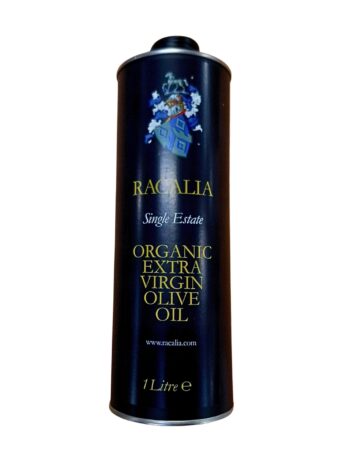
Racalia Organic Extra Virgin Olive Oil
Price range: £12.50 through £25.95


Steps to Cooking the Perfect Steak
The secret to a great steak lies in the small things: timing, heat, and a bit of patience. Follow these steps and you’ll bring out the best in any cut.
Nutrition Information (Per Serving)
A 200g steak provides around 50g of protein, plenty of iron, zinc, and vitamin B12. Grass-fed organic beef contains a healthier balance of fats, including more omega-3s and less saturated fat than intensively reared alternatives.
| Nutrition Facts (Per Serving) | ||
| Nutrient | Amount per serving | % of Adult RI* |
| Energy | 500 kcal | 25% |
| Protein | 50 g | 100% |
| Total Fat | 32 g | 46% |
| – of which Saturated Fat | 12 g | 60% |
| Carbohydrates | 0 g | 0% |
| Sugars | 0 g | 0% |
| Fibre | 0 g | – |
| Salt | 0.2 g | 3% |
| Iron | 4 mg | 28% |
| Zinc | 8 mg | 80% |
| Vitamin B12 | 2.5 µg | 100% |
| Omega-3 Fatty Acids | 0.3 g | – |
Reference Intake (RI) of an average adult (8,400 kJ / 2,000 kcal).
Figures are approximate and can vary by cut and fat content, but grass-fed organic beef generally offers a richer nutrient profile and cleaner flavour.
Choosing organic meat also means supporting sustainable farming practices that protect the land and promote animal welfare. When meat is raised naturally, without artificial additives or unnecessary antibiotics, it tastes cleaner and richer — proof that ethics and flavour belong together.
Pro Tips and Common Mistakes to Avoid
Every cook has a few habits that make life easier. These are the ones that keep your steak tender, flavourful, and worth the wait.
- Don’t crowd the pan. Two steaks at most, otherwise the heat drops, steam builds, and you lose that crisp crust.
- Don’t fiddle. Once it’s in, let it sear. Constant turning stops a decent crust forming.
- Be generous with seasoning. Salt and pepper help the Maillard reaction (the natural browning that happens when heat meets protein) giving the steak its deep flavour and crisp, golden surface.
- Use the right oil. Avoid low smoke point oils for searing as they’ll burn before your steak cooks.
- Mind the timing. If the outside’s perfect but the inside feels raw, finish it in the oven for a few minutes.
- Respect resting. This step is not optional. The patience pays off in tenderness.
- Don’t fear fat. A fatty edge keeps meat juicy; trim it after cooking if you prefer less.
- Buy wisely. Good value steaks can still taste wonderful if cooked with care.comfort and nourishment.
Good Meat Makes All the Difference
A truly great steak begins long before it touches a pan. It starts with well-raised beef, thoughtful preparation, and a bit of patience. Choosing meat from trusted producers ensures both quality and conscience. Rhug Organic Farm, for instance, works with nature to produce beef that’s full of character and taste.
If you love a good steak, you’ll appreciate how easy it is to order through their organic meat delivery services — fresh, responsibly produced, and ready for the table. Each cut carries the depth and texture that come only from careful farming and respect for the animal.
Cooking steak well is a small act of craft. The next time you sear one, take your time, season confidently, and let the heat do its work. And if you fancy branching out, buy organic lamb or sign up for meat box delivery — you’ll find the same care, the same honest flavour, and another meal worth slowing down for.
More from the Rhug Estate Farm Shop
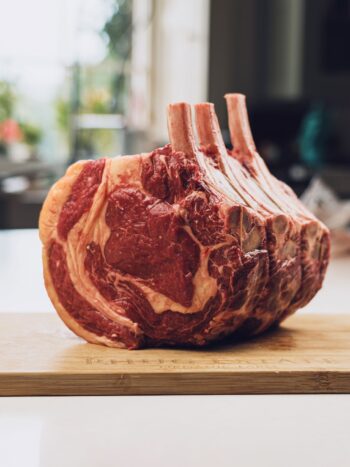

Organic Sirloin Roasting Joint
Price range: £40.16 through £80.33





 Organic Beef