


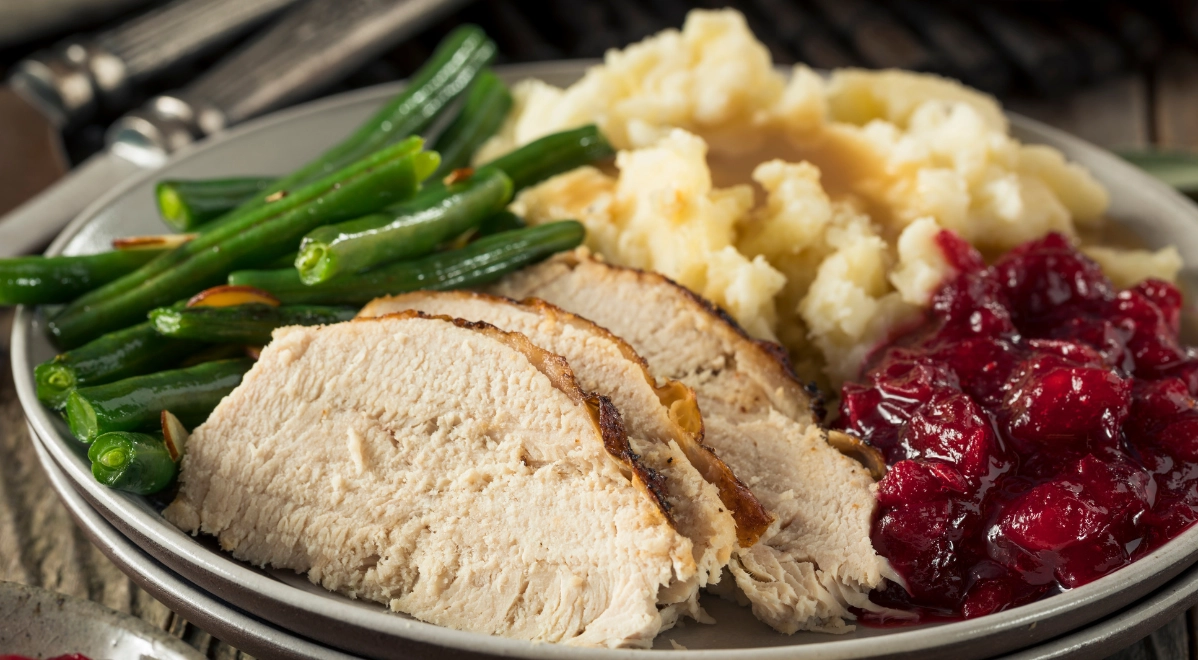

A perfectly roasted turkey breast can transform an ordinary day into a meal to remember. It doesn’t demand the scale or stress of roasting a whole bird, yet it still delivers the same warmth and sense of occasion. Whether you’re feeding a small gathering, preparing a special family dinner, or just craving the flavours of a festive roast without fuss, this dish fits beautifully. What follows is a guide that takes you from choosing the right cut all the way to carving and serving, giving you confidence at every step.
15 minutes
1 hour 30 minutes
1 hour 45 minutes
4 - 6 people
Why a Roast Turkey Breast is a Brilliant Choice
A roast turkey breast is far less daunting than tackling a whole bird. It cooks faster, requires less oven space, and provides neat slices with very little waste. For couples, smaller families, or anyone who loves the flavour of roast turkey but doesn’t need leftovers for a week, it’s a far more practical option.
There’s also the matter of flavour. Turkey breast, when prepared correctly, can be incredibly moist and tender. Using simple techniques such as basting, seasoning generously, and allowing time for resting makes a world of difference. And if you’re cooking for just a handful of people, this cut offers all the satisfaction of a festive meal without feeling excessive.
Whole Turkey Breast: What to Know Before Cooking
When buying a whole breast, consider both size and quality. A smaller joint weighing around 1.5–2kg will comfortably serve six people, while a larger piece can stretch further if needed. Think about your oven space as well; even though a breast is smaller than a full bird, you’ll still need a sturdy roasting pan or baking dish large enough to hold it comfortably.
The quality of the turkey matters enormously. Well-raised poultry has a richer flavour and better texture. Choosing organic turkey gives you peace of mind that the bird has been reared to high welfare standards. Freshness is another factor: always check the use-by date, and if ordering from a local farm or trusted shop, place your order well in advance during busy seasons.
Boneless Turkey Breast or Bone-in Turkey Breast?
Both boneless and bone-in turkey breast have their merits. A boneless breast is easy to slice and quicker to cook, making it an attractive option if you’re short on cook time. On the other hand, a bone in breast tends to be more flavourful and stays moist during roasting because the breast bone helps retain juices.
Think about what matters most to you: convenience or depth of flavour. Many cooks prefer bone-in for a festive or holiday meal, while boneless can be perfect for a straightforward Sunday roast. Whether you choose boneless for ease or bone-in for flavour, sourcing from a farm or butcher that focuses on organic meats ensures you’re starting with the best possible cut.
Ingredients for the Best Turkey Breast Recipe
To create the best turkey recipe, you’ll want fresh, simple ingredients that allow the meat to shine. A typical shopping list might include:
- One whole breast of turkey (1.5–2kg, boneless or bone-in depending on preference)
- Softened butter (unsalted works best)
- Minced garlic
- A selection of fresh herbs (rosemary, sage, thyme, parsley)
- A pinch of dried herbs for extra depth
- Salt and pepper, or kosher salt if you prefer
- Olive oil
- Lemon zest
- Vegetables for roasting (onion, carrot, celery, parsnip)
- Stock or white wine
- Optional: bay leaf for aromatics
Having a small bowl ready for mixing your butter mixture helps keep the preparation neat.
Get ingredients from Rhug Estate
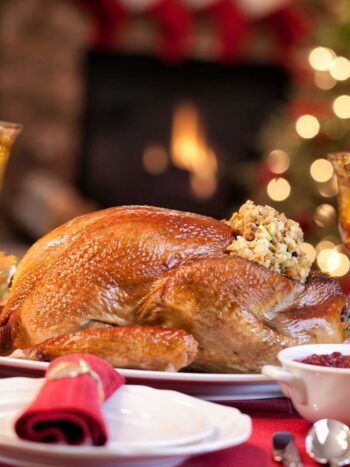
Rhug Estate Organic Turkey – Thanksgiving & Christmas Delivery
Price range: £109 through £183.90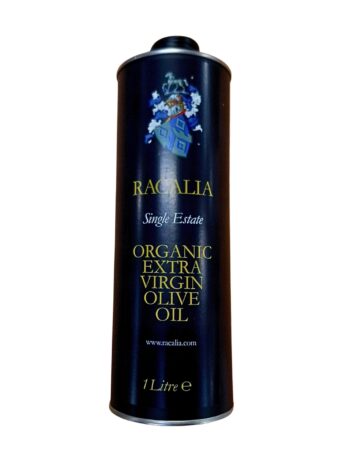
Racalia Organic Extra Virgin Olive Oil
Price range: £12.50 through £25.95


Accompaniments for a Roast Turkey Recipe
The accompaniments are what turn a roast into a proper occasion. Each dish adds balance, colour, and flavour to the plate, creating the kind of spread that makes a turkey breast shine.
Turkey Gravy and Sauces
The best gravy begins with the pan drippings in the roasting tin. Once the turkey breast has cooked, spoon away most of the fat, leaving just a little behind, then place the tin over medium heat. Stir in a spoonful of flour and whisk until smooth before adding hot stock and a splash of wine. Scrape up the browned bits from the base of the tin as they hold the deepest flavour. Let the liquid simmer gently until glossy, then strain it into a jug for serving.
For something fresh alongside, make a simple cranberry sauce by simmering cranberries with sugar, orange zest, and juice until the berries burst and thicken.
Bread sauce is another classic — warm milk with onion, cloves, and bay leaves, then stir in breadcrumbs until creamy and finish with a knob of butter.
Potatoes
Potatoes are non-negotiable with roast turkey. Roast potatoes are the most familiar choice: parboil floury potatoes until just tender, drain well, and rough them up in the pan so the edges catch. Roast them in hot olive oil or fat until golden and crisp.
For something a little more fun and classy, fondant potatoes are cut into neat cylinders, browned in butter, then finished in the oven with stock until soft and rich.
Mashed potatoes are another crowd-pleaser, whipped with hot milk and butter until smooth. If you’d like a change, sweet potatoes roasted with smoked paprika and black pepper bring colour and a hint of sweetness.
Brussels Sprouts
Sprouts are traditional, but they don’t need to be boring. Blanch them briefly in salted water, then fry them in butter with pancetta or bacon until they start to caramelise. A squeeze of lemon at the end lifts their flavour. Tossed with chestnuts, they become an indulgent and festive side that balances the richness of the turkey.
Roasted Parsnips and Carrots
Root vegetables roast beautifully alongside turkey. Cut parsnips and carrots into batons, coat them in olive oil, honey, mustard, salt, and pepper, then roast until golden at the edges. They develop a natural sweetness that pairs well with the savoury turkey and the tang of cranberry sauce.
Buttered Greens
For freshness on the table, cabbage, kale, or green beans cooked until just tender and tossed with butter work beautifully. A little squeeze of lemon or sprinkle of nutmeg makes them feel finished while still letting their natural flavour come through.
Savoury Accompaniments
Pigs in blankets, stuffing, or even a tray of Yorkshire puddings bring richness and comfort to a roast turkey breast.
Stuffing baked separately keeps its crisp edges and avoids drying out the bird. Sausage meat, onion, celery, breadcrumbs, and herbs baked until golden make a reliable choice. Pigs in blankets, made with chipolatas wrapped in streaky bacon, add richness and are usually the first thing to disappear. Even a tray of Yorkshire puddings has its place on a turkey table, with their light, crisp shells perfect for mopping up gravy.
Preparing the Turkey Breast
Start by removing the turkey from the fridge and allowing it to reach room temperature. This ensures even cooking. Pat the turkey dry with paper towels, which helps the turkey skin crisp up beautifully.
Mix your butter mixture: softened butter, minced garlic, and fresh herbs, combined in a small bowl. Carefully slide fingers under the skin, spreading the butter evenly beneath, then rub more across the top to encourage crispy skin. A drizzle of olive oil seals in flavour. Generously season with salt and pepper or kosher salt for a savoury crust.
How to Cook Turkey Breast Step by Step
You have everything together, your plans are made for what you want to accompany the turkey breast, your meat thermometer is ready to be used, so now what? Let’s begin making your roast turkey breast that will have your family giving you 5 stars now.
Nutrition Information (Per Serving)
- Calories: 190 kcal
- Protein: 32 g
- Fat: 7 g
- Saturated Fat: 2 g
- Carbohydrates: 1 g
- Sodium: 230 mg
Final Tips for Simple Roast Turkey Breast
Keep things straightforward: bring meat to room temperature, season well, and don’t rush the resting stage. A handful of fresh herbs, a reliable roasting tin, and a watchful eye on the oven temperature make all the difference.
When quality matters, start with the right bird. Choosing from trusted suppliers such as Rhug Farm Shop ensures your roast begins with the very best. Their range of organic meats, including organic turkey, means you’re cooking with produce that’s both sustainable and flavourful.
A roast turkey breast isn’t just about tradition — it’s about creating a meal worth gathering for. If you’re ready to make your next family dinner memorable, follow this guide, gather your ingredients, and bring your own version of the perfect recipe to the table.
More from the Rhug Estate Farm Shop
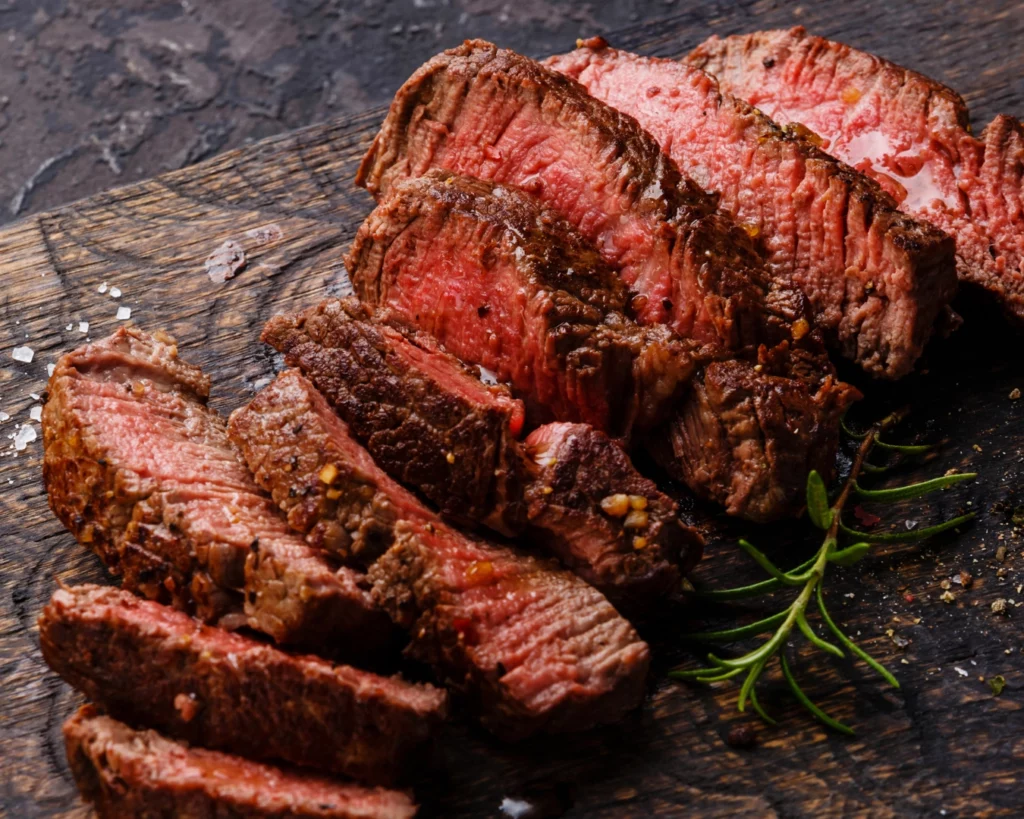




 Organic Beef